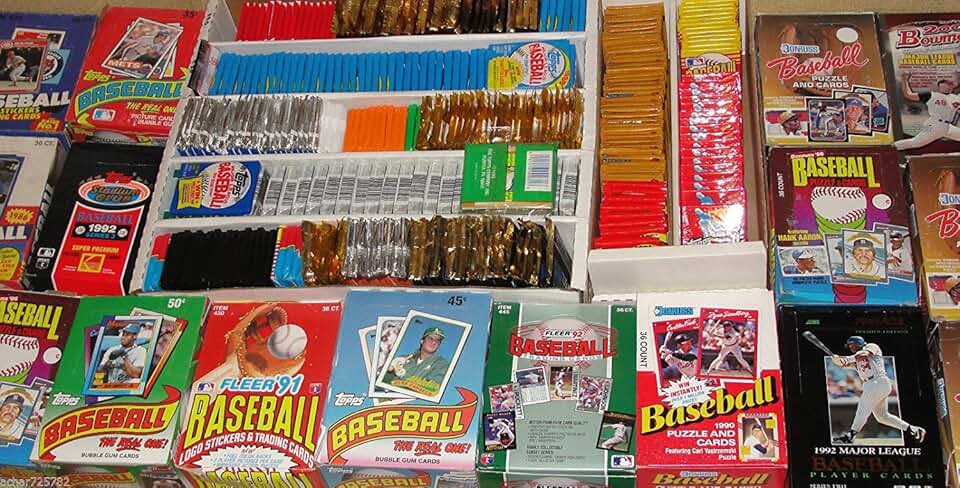
Vintage Baseball Card Packs: Ultimate Collectible – Worth It
When it comes to the thrill of collecting, few things capture the imagination quite like Vintage Baseball Card Packs. This particular offering provides 600 cards from the golden era of baseball card collecting, spanning the years 1986-1994. It promises unopened, unsearched, and unsorted packs from iconic brands like Topps, Fleer, Donruss, Upper Deck, and Score.
For many collectors, the allure lies in the nostalgia and the anticipation of what hidden gems might be inside. This review will delve deep into what makes these vintage packs a compelling purchase. We’ll explore their features, analyze the pros and cons, and help you decide if this journey back in time is truly worth it for your collection.
Quick Summary: Vintage Baseball Card Packs
Rating: 4.1 out of 5 stars (95 reviews)
Price: $64.95 USD
Key Pros:
- Unopened Vintage Packs: Offers the authentic experience of opening packs from a classic era.
- Wide Year Range (1986-1994): Covers a significant period, including the debut years of many legendary players.
- Potential for Rare Finds: Excitement of potentially pulling valuable rookie cards or inserts, though not guaranteed.
Key Cons:
- No Guarantee of Specific Cards: The random nature means valuable pulls are not assured.
- “Junk Wax Era” Overproduction: Many cards from this period have limited individual value due to high print runs.
Table of Contents
Vintage Baseball Card Packs Overview
This offering of Vintage Baseball Card Packs transports collectors back to a pivotal era in sports memorabilia. The period from 1986 to 1994, often dubbed the “Junk Wax Era,” was characterized by an explosion in card production. While this led to an abundance of common cards, it also saw the rise of iconic brands and the debut of numerous baseball legends, making it a nostalgic sweet spot for many.
The product specifically highlights 600 cards, promising a diverse assortment from renowned manufacturers such as Topps, Fleer, Donruss, Upper Deck, and Score. Each of these brands contributed uniquely to the hobby during this time, offering distinct designs, photography, and insert sets. The inclusion of multiple brands ensures a varied collecting experience, moving beyond the monotony of a single manufacturer.
A significant aspect of this product is the claim of being “unopened, unsearched, and unsorted.” For serious collectors and enthusiasts, these terms are crucial. “Unopened” means the packs have not been tampered with, preserving the original factory seal and the element of surprise. “Unsearched” suggests that no one has gone through the packs looking for valuable cards, and “unsorted” implies a random mix, free from cherry-picking.
This commitment to authenticity enhances the appeal, as it provides a genuine opportunity to relive the excitement of buying packs directly off the shelf decades ago. The promise of mint condition cards within these sealed packs adds another layer of expectation, hinting at the potential for pristine examples of classic cards. However, it’s important to understand that “mint condition” refers to the cards as they were produced, not necessarily their state after decades of storage, which can sometimes lead to minor factory defects or storage wear.
The 1986-1994 timeframe is particularly rich in baseball history. This period witnessed the careers of superstars like Ken Griffey Jr., Frank Thomas, Barry Bonds, and Derek Jeter beginning or flourishing. Pulling a rookie card or a key insert of one of these legends from an unopened pack is the ultimate dream for many who venture into these vintage offerings. Even without a major pull, the nostalgia associated with these sets makes the experience worthwhile for many.
Understanding the historical context of the “Junk Wax Era” is vital for managing expectations. While there’s a thrill in the chase for rare cards, the sheer volume of cards produced during this time means that most individual cards hold minimal monetary value. The true value often lies in the experience, the nostalgia, and the rare exception rather than the rule. It’s a journey into baseball’s past, celebrating the aesthetics and memories of a bygone era of collecting.
This collection of Vintage Baseball Card Packs is less about guaranteed financial returns and more about the joy of discovery and the appreciation of baseball history. It’s an invitation to step back in time, to tear open packs with the same anticipation felt by kids and adults decades ago. The mix of brands and years offers a broad snapshot of the hobby during this vibrant period, providing a rich, immersive experience for any baseball card enthusiast. For more on the history of baseball cards, you can visit Wikipedia’s page on Baseball Cards.
Vintage Baseball Card Packs Key Features & Specs
The allure of these Vintage Baseball Card Packs lies in several key features that appeal directly to collectors and enthusiasts. Understanding these specifications helps in appreciating the product’s value and managing expectations. The combination of quantity, era, and condition claims makes this a unique offering in the vintage card market.
Firstly, the product delivers a substantial quantity of 600 cards. This isn’t just a handful of packs; it’s a significant volume that ensures a prolonged opening experience and a diverse collection. While the exact number of packs isn’t specified, 600 cards typically translates to a good number of individual wax or cello packs, providing ample opportunities for discovery and enjoyment. This volume allows for a deeper dive into the sets of the era.
The defined year range of 1986-1994 is another critical feature. This period is iconic for many baseball fans, representing a time of transition and excitement in the sport. It includes years where rookie cards of future Hall of Famers like Barry Bonds (1987), Ken Griffey Jr. (1989), Frank Thomas (1990), and Derek Jeter (1993-94 minor league/early major league appearances) were printed. The specific year distribution within the 600 cards is random, adding to the surprise element.
The inclusion of multiple prominent brands—Topps, Fleer, Donruss, Upper Deck, and Score—is a major selling point. Each company had its unique aesthetic and target audience during this era. Topps was the traditional leader, Fleer and Donruss offered distinct designs, Upper Deck revolutionized the industry with premium photography and holographic security, and Score quickly gained popularity with its vibrant imagery. This variety ensures collectors will encounter different card designs, subsets, and player photography, enhancing the overall experience.
The claims of “Mint Condition – Unopened, Unsearched, Unsorted” are paramount for vintage card collectors. “Unopened” means the packs have never been previously opened, guaranteeing that the cards inside are factory-sealed. This is crucial for maintaining the integrity of the original experience. “Unsearched” implies that the packs have not been weighed or inspected for valuable chase cards, preserving the true randomness of the contents. “Unsorted” further reinforces that no particular packs or years have been removed or added based on perceived value, ensuring a genuine, random assortment from the specified era.
While “Mint Condition” refers to the cards as they came out of the factory, it’s important to note that cards from this era, even if sealed, could exhibit minor imperfections such as print defects, wax stains on the back, or slight off-centering due to mass production techniques. However, the expectation is that they will be in generally excellent condition, suitable for grading if a significant pull is made. The term “collectible” underscores their appeal beyond mere monetary value, highlighting their significance to the hobby.
The packaging of these cards, though not explicitly detailed, typically involves a mix of wax packs, cello packs, or rack packs, all sealed. The anticipation of peeling back the wax paper or tearing open the cello wrapper brings a unique sensory experience that modern hobby boxes often lack. This physical interaction with vintage packaging is a significant part of the nostalgic journey offered by these packs. For more information on one of the iconic brands, check out the Topps official website.
In summary, these Vintage Baseball Card Packs are designed to deliver a comprehensive, authentic, and nostalgic collecting experience. The generous card count, the defined yet diverse era, the inclusion of all major brands, and the assurance of untouched packs combine to create a compelling product for anyone looking to reconnect with the roots of baseball card collecting. It’s an opportunity to hunt for hidden gems and relive the golden age of the hobby.
Pros & Cons of These Vintage Baseball Card Packs
Evaluating any collectible product requires a balanced look at its advantages and disadvantages. These Vintage Baseball Card Packs are no exception, offering a unique blend of nostalgic thrill and the realities of a specific collecting era. Understanding these points will help potential buyers make an informed decision.
Pros:
- Nostalgia and Thrill of Opening Vintage Packs: For many, the primary draw is the experience itself. Opening packs from their childhood or a beloved era brings back fond memories and a unique sense of anticipation. The smell of old wax, the iconic card designs, and the chance of a surprise pull are priceless to enthusiasts.
- Potential for Valuable Rookie Cards or Inserts: While not guaranteed, the 1986-1994 period includes many significant rookie cards. Players like Ken Griffey Jr., Frank Thomas, and Derek Jeter (even if only minor league cards or early appearances) have highly sought-after cards from this era. Pulling one in high grade could be a significant win.
- Variety of Brands and Years: The inclusion of Topps, Fleer, Donruss, Upper Deck, and Score across several years (1986-1994) provides excellent diversity. This means you won’t be opening packs from just one set, offering a broader look at the hobby’s evolution during that time. Collectors can appreciate the different art styles and card stock.
- Unopened Nature Preserves the “Pack Fresh” Experience: The fact that these packs are unopened means you are the first person to see these cards since they left the factory. This guarantees a true “pack fresh” condition for the cards, which is highly desirable for grading purposes and personal satisfaction. It’s a genuine step back in time.
- Affordable Entry Point into Vintage Collecting: Compared to some older, scarcer vintage packs (e.g., pre-1980s), these “Junk Wax Era” packs are relatively affordable. They offer a cost-effective way to experience vintage card collecting without a massive financial outlay, making them accessible to a wider audience. It’s a great way to start or expand a collection.
- Historical Significance: The cards represent a specific period in baseball and collecting history. They capture players, teams, and designs that define an era, offering a tangible piece of sports heritage. For those interested in the evolution of baseball card design and marketing, these packs are a treasure trove.
- Gift Potential: These packs make an excellent and unique gift for any baseball fan, especially those who grew up watching baseball in the late 80s and early 90s. It’s a thoughtful present that offers an experience rather than just an item, sparking joy and conversation.
Cons:
- No Guarantee of Specific Valuable Cards: This is the biggest caveat. Due to the random nature of sealed packs, there’s no assurance you’ll pull a high-value rookie card or rare insert. Most packs will contain common players, reflecting the high production numbers of the era. Buyers should temper their expectations for big hits.
- “Junk Wax Era” Overproduction: The term “Junk Wax Era” exists for a reason. Millions of cards were produced, leading to an oversaturated market where most individual cards hold very little monetary value. While fun to open, many cards will be worth pennies, if anything, beyond sentimental value.
- Condition of Cards Inside Packs Can Still Vary: Despite being unopened, cards from this era were not always perfectly cut or centered at the factory. Wax stains from the packaging can also occur, and cards might stick together. While generally good, “mint” doesn’t always mean flawless when dealing with mass-produced items from decades ago.
- Risk of Receiving Packs from Less Desirable Years/Brands: While the range is 1986-1994, some years or specific brands within that period might be less popular or have fewer chase cards than others. The assortment is random, so you might receive more packs from a less exciting year or brand, which could be disappointing for some.
- Limited Investment Potential: For those looking for a guaranteed return on investment, these packs are generally not the best choice. While a rare graded card can fetch a high price, the odds are against it. The primary value here is experiential and nostalgic, not financial speculation.
- Repackaged Nature: While the individual packs are unopened, the 600-card lot is an aftermarket repackaging by a third-party seller. This means the overall selection of packs is curated by someone else, not directly from a factory-sealed case. While advertised as unsearched, this adds an extra layer of handling before reaching the buyer.
- Modern Card Preferences: Younger collectors or those focused on current players and designs might find these vintage packs less appealing. The aesthetics and player rosters are distinctly from an older era, which may not resonate with everyone accustomed to modern card innovations and player lineups.
In conclusion, the decision to purchase these Vintage Baseball Card Packs hinges on your expectations and collecting goals. If you prioritize the joy of the hunt, the wave of nostalgia, and the experience of opening truly vintage packs, then the pros heavily outweigh the cons. However, if your primary aim is to find guaranteed high-value cards for investment, a more targeted approach to collecting might be advisable.
Who Should Buy the Vintage Baseball Card Packs?
The appeal of these Vintage Baseball Card Packs is broad, yet specific. They cater to a particular type of collector or enthusiast who values the experience and history over guaranteed monetary returns. Understanding who this product is designed for can help potential buyers determine if it aligns with their interests and expectations.
Nostalgic Collectors from the 80s/90s: This is arguably the primary target audience. Individuals who grew up collecting baseball cards during the 1986-1994 era will find immense joy in these packs. It’s a direct portal back to their childhood, allowing them to relive the excitement of opening packs and discovering players from their formative years. The familiar designs of Topps, Fleer, Donruss, Upper Deck, and Score will evoke powerful memories.
Beginner Collectors Interested in Vintage Cards: For those new to the hobby but curious about its history, these packs offer an accessible entry point. They provide a tangible connection to a significant period in card collecting without the prohibitive costs associated with much older vintage material. It’s a low-risk way to explore the aesthetics and players of a classic era.
Gift-Givers Looking for a Unique Present for a Baseball Fan: If you’re searching for a distinctive and memorable gift for a baseball enthusiast, especially one who follows the sport or collected cards during this period, these packs are an excellent choice. It’s an experiential gift that offers surprise, nostalgia, and a shared connection to the game’s history. It’s far more engaging than a generic gift.
Those Seeking the Thrill of the “Unknown” and Opening Packs: The core joy of collecting often comes from the hunt and the reveal. These unopened, unsearched packs perfectly embody that thrill. Each pack is a lottery ticket, a chance to uncover a surprising card, be it a rookie, a star, or a unique insert. The anticipation is a significant part of the fun.
People Interested in the History of Baseball Cards: Beyond just collecting, some individuals are passionate about the cultural and historical aspects of the hobby. These packs offer a direct look into the manufacturing, marketing, and player rosters of a specific time. They serve as a tangible artifact of baseball’s past, reflecting trends in design and player popularity.
Educators or Parents for Historical Learning: These packs can be a fantastic educational tool. They can be used to teach children about baseball history, specific players, and the concept of collecting and valuing items. It’s a hands-on way to engage with the past, sparking interest in both sports and history. The cards offer a visual representation of historical data.
Casual Collectors Who Enjoy Quantity and Variety: If your goal is simply to accumulate a large number of cards from a specific era for fun, to fill binders, or to trade with friends, this product is ideal. The 600-card count ensures a substantial addition to any collection, providing hours of sorting and organizing. It’s about the breadth of the collection, not just the depth.
Who Should NOT Buy These Packs:
- Serious Investors Seeking Guaranteed Returns: If your primary motivation is financial profit and you expect to pull high-value, graded cards consistently, these packs are not for you. The odds of hitting a major card are low, and the vast majority of cards from this era hold minimal value. Investing in specific graded singles is a more reliable strategy for financial gain.
- Collectors Looking for Modern, High-Value Cards: If you’re interested in the latest releases, current superstar rookie cards, or ultra-modern parallels and autographs, these vintage packs will not meet your needs. They are firmly rooted in the past, offering a different collecting experience entirely. Modern cards have different chase elements.
- Individuals Who Dislike Randomness: If you prefer knowing exactly what you’re getting and dislike the element of surprise or potential disappointment, then sealed packs might be frustrating. The random assortment means you could receive packs from years or brands you’re less excited about.
Ultimately, these Vintage Baseball Card Packs are best suited for those who appreciate the journey of collecting, the nostalgia of a bygone era, and the thrill of the unknown. They offer a rich, experiential dive into baseball card history, making them a superb choice for the right individual. It’s a tribute to the passion and joy that baseball cards have brought to generations of fans and collectors.
FAQ about Vintage Baseball Card Packs
Q1: What specific years are included in these Vintage Baseball Card Packs?
A1: The product description specifies that these packs cover the years 1986 through 1994. This means you can expect to find packs from any year within that nine-year span. The exact distribution of years among the 600 cards is random and not guaranteed to be evenly split.
This range is significant as it captures the tail end of the traditional collecting era and the peak of the “Junk Wax Era.” It includes iconic sets and the rookie years of many prominent players who defined baseball in the late 20th century. The diversity across these years ensures a varied collecting experience.
Q2: Are these truly unopened and unsearched, as claimed?
A2: The seller explicitly states that the packs are “unopened, unsearched, and unsorted.” This implies that the individual packs have not been tampered with, weighed, or inspected for valuable cards. For collectors, these claims are crucial for ensuring the integrity and randomness of the contents.
While the overall 600-card lot is a repackaging by a third party, the individual packs within that lot are represented as factory-sealed and untouched. This provides the genuine thrill of opening vintage material, just as it would have been decades ago. Buyers typically rely on seller reputation for such claims.
Q3: Is there a chance to pull valuable cards, like rookie cards of Hall of Famers?
A3: Yes, there is indeed a chance to pull valuable cards, including rookie cards of Hall of Famers, given the 1986-1994 year range. This period includes the rookie cards of iconic players such as Ken Griffey Jr. (1989), Frank Thomas (1990), and potentially early cards of Derek Jeter (1993-94) and others. However, it’s important to understand that these are not guaranteed pulls.
The vast majority of cards from the “Junk Wax Era” were mass-produced and hold minimal value. While the potential for a big hit adds to the excitement, buyers should manage expectations and view any valuable pull as a bonus rather than an expectation. The thrill of the chase is a major part of the appeal.
Q4: What condition can I expect the cards to be in from these packs?
A4: The product states “Mint Condition.” This generally means the cards inside the sealed packs are in the condition they were in when they left the factory. For cards from the 1986-1994 era, this typically implies sharp corners, good centering, and clean surfaces.
However, it’s important to note that even factory-fresh cards from this period could have minor imperfections. These might include slight print defects, wax stains on the card backs (especially from wax packs), or minor off-centering due to the mass production techniques of the time. Overall, you should expect very good to excellent condition, suitable for professional grading if a significant card is found.
Q5: Are these Vintage Baseball Card Packs suitable for a new collector?
A5: Absolutely, these packs are an excellent starting point for a new collector interested in the history of baseball cards. They offer an affordable way to experience vintage collecting without the high costs associated with older, scarcer packs. The variety of years and brands provides a broad introduction to the hobby’s aesthetics and player rosters from a significant era.
New collectors can learn about different card manufacturers, set designs, and the history of baseball itself through these cards. It’s a hands-on, engaging way to dive into the hobby, fostering a love for collecting and sports history. The sheer volume of cards also provides plenty of material for sorting and organizing.
Q6: What brands can I expect to find in this assortment?
A6: The product explicitly mentions packs from Topps, Fleer, Donruss, Upper Deck, and Score. These were the dominant baseball card manufacturers during the 1986-1994 period. Each brand offered unique designs, photography, and chase cards, contributing significantly to the hobby’s landscape.
You can expect a mix of these brands, though the exact proportion of each is random. This variety ensures that you’ll encounter different styles and sets, making the opening experience more diverse and interesting. It’s a great cross-section of the card market from that specific era.
Q7: How many individual packs will I receive for 600 cards?
A7: The product states 600 cards, but it does not specify the exact number of individual packs. Card packs from this era typically contained anywhere from 10-15 cards (wax packs) to 25-40 cards (cello or rack packs). Therefore, 600 cards could translate to anywhere from 15 to 60 individual packs, depending on the mix of pack types and card counts per pack.
The actual number of packs will vary based on the random assortment provided by the seller. This means you could receive more smaller packs or fewer larger packs, but the total card count will be approximately 600. The surprise of how many packs you get adds to the overall excitement of the purchase.
Q8: Can I request specific years or brands within the 1986-1994 range?
A8: No, the product is sold as a random assortment of packs from the 1986-1994 period, including the specified brands. The seller states the packs are “unsorted,” meaning there is no option to request specific years, brands, or players. The randomness is a core aspect of the product’s appeal and its claim of being unsearched.
If you are looking for specific cards or packs from a particular year or brand, it would be more advisable to seek out individual packs or singles from specialized dealers or online marketplaces that allow for precise selection. This product is for those who enjoy the surprise element. The lack of choice is part of the authentic vintage experience.
Final Verdict
These Vintage Baseball Card Packs offer a truly compelling proposition for a specific segment of the collecting community. For those who grew up in the late 1980s and early 1990s, or for anyone fascinated by the history of baseball and sports memorabilia, this product is an undeniable trip down memory lane. The thrill of opening genuine, unopened packs from iconic brands like Topps, Fleer, Donruss, Upper Deck, and Score is a unique experience that modern products often struggle to replicate.
While the “Junk Wax Era” context means that guaranteed high-value pulls are rare, the potential for discovering a gem, combined with the sheer joy of the hunt, makes this a worthwhile purchase. The generous 600-card count ensures a substantial and diverse collection, providing hours of entertainment and nostalgic reflection. It’s an affordable entry point into vintage collecting, perfect for rekindling old passions or sparking new ones.
Ultimately, if you’re seeking a nostalgic journey, the excitement of the unknown, and a tangible connection to a vibrant era of baseball card history, these packs are an excellent choice. They are less about investment and more about the invaluable experience of collecting. For the right buyer, these Vintage Baseball Card Packs are an impressive and utterly worth it find.